
Description
WarDr.one
Buying Groups in War Zones: Emergency Communication Devices


In high-risk environments, communication is the first system to fail—and the hardest to rebuild. WarDr.one approaches this differently: buying groups that pool demand, lower costs, and deploy reliable emergency communication devices at scale.
This isn’t about gadgets. It’s about keeping people connected when everything else breaks down.
🌍 What Is a Buying Group?
A buying group is a coordinated network of:
- Individuals
- Teams
- NGOs
- Contractors
…who combine purchasing power to:
- Secure better pricing
- Access higher-grade equipment
- Ensure consistent supply
In war zones or disaster regions, this model creates distributed resilience—instead of relying on one fragile supply chain.
📡 Why Communication Devices Matter
When infrastructure collapses:
- Cell towers go offline
- Internet becomes unreliable or censored
- Power is inconsistent
Without communication:
- Rescue coordination fails
- Medical response slows
- Supply chains collapse
Devices built for these conditions operate independently of traditional networks—or rebuild them locally.
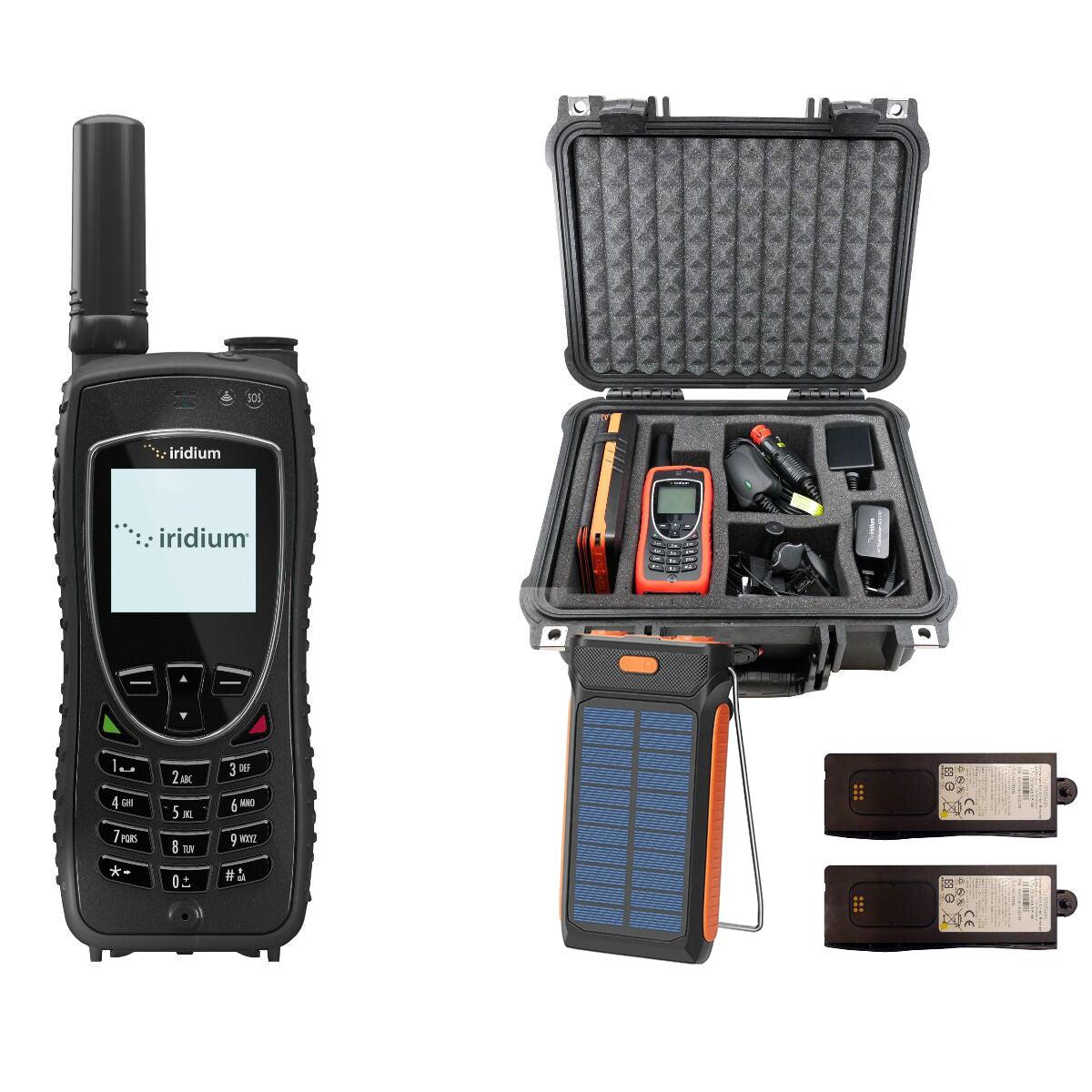
🛰️ 1. Satellite Communication Devices


What they do:
- Global coverage (no cell towers needed)
- SOS signaling + GPS tracking
- Messaging from anywhere
Top Use Cases:
- Remote teams
- Journalists
- Emergency response units
Buying Group Advantage:
- Bulk subscriptions reduce monthly service costs
- Shared emergency channels
📻 2. Two-Way Radios (Short to Mid Range)


What they do:
- Instant communication without infrastructure
- Reliable in dense or damaged environments
Types:
- UHF (urban environments)
- VHF (open terrain)
Buying Group Advantage:
- Standardized frequencies across teams
- Bulk programming + deployment kits
🌐 3. Mesh Network Devices


What they do:
- Create local communication networks
- Connect phones without internet
- Expand coverage by adding more users
Best for:
- Civilian groups
- Urban conflict zones
- Decentralized coordination
Buying Group Advantage:
- Network grows stronger with each member
- Lower cost per user at scale
🔋 4. Power + Charging Systems (Critical Add-On)


No power = no communication.
Essential add-ons:
- Solar panels
- Power banks
- Hand-crank chargers
Buying groups often bundle these to ensure continuous uptime.
📦 Building a WarDr.one Communication Package
A strong deployment kit includes:
Tier 1 – Individual
- Personal radio or satellite communicator
- Backup battery
Tier 2 – Team
- Multi-band radios
- Shared charging systems
Tier 3 – Network
- Mesh devices
- Base stations
- Coordinated frequencies
🚚 Distribution Strategy for War Zones
Buying groups enable smarter logistics:
- Bulk shipments to regional hubs
- Local distribution through trusted partners
- Pre-configured devices (plug-and-play deployment)
This reduces:
- Setup time
- Technical errors
- Cost per unit
🧠 Strategic Insight
Communication isn’t just a tool—it’s coordination power.
Groups that communicate effectively:
- Move faster
- Save more lives
- Maintain structure under pressure
WarDr.one positions buying groups as the backbone of that capability:
- Pool demand
- Standardize equipment
- Deploy at scale
⚠️ Responsibility & Compliance
Different regions have:
- Radio frequency regulations
- Satellite device restrictions
- Import/export rules
Buying groups should:
- Verify legal requirements
- Work with compliant suppliers
- Avoid unauthorized frequency use
Final Thought
In unstable environments, communication defines outcomes.
Disconnected groups react.
Connected groups coordinate.
WarDr.one is about building those connections—before they’re needed.
WarDr.one – Equip. Connect. Respond.


Reviews
There are no reviews yet.